 11
11

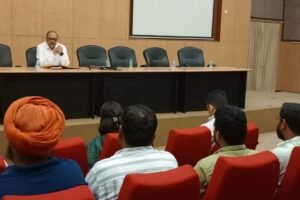
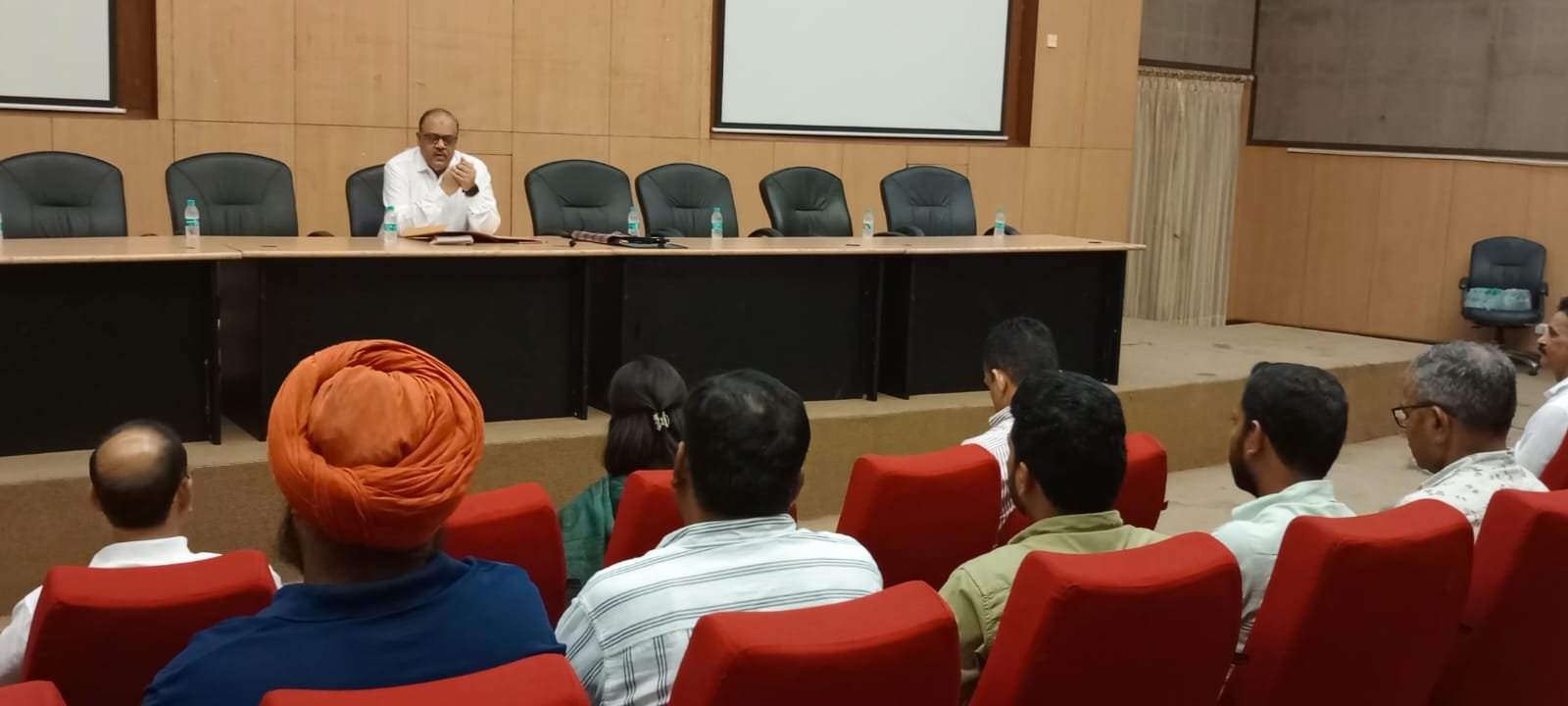
Greater Noida, July 18: During his visit to Gautam Buddh Nagar on Saturday, Hon’ble State Information Commissioner of the Uttar Pradesh State Information Commission, Mr. Mohammad Nadeem, chaired a review meeting at the Guest House of Gautam Buddha Technical University (GBTU) to assess the effective implementation of the Right to Information (RTI) Act, 2005. The meeting was attended by Public Information Officers (PIOs) and First Appellate Authorities from the Revenue Department, Public Works Department (PWD), and Police Department.
During the meeting, the Hon’ble State Information Commissioner reviewed pending RTI applications, second appeals, and complaints relating to the three departments that are currently under consideration before the Uttar Pradesh State Information Commission. He directed all concerned officials to ensure their timely, legally compliant, and quality disposal.
The review revealed that 220 RTI-related cases are currently pending in Gautam Buddh Nagar district. The Commissioner instructed all concerned officers to accord top priority to these pending matters and ensure their expeditious disposal. He emphasized that no case should remain pending beyond the prescribed time limit and warned that unnecessary delays would invite penal action under the provisions of the RTI Act.
He stated that the Right to Information Act is an important instrument for ensuring transparency and accountability in governance. Therefore, every officer must ensure strict compliance with the provisions of the Act and consider the timely and accurate dissemination of information to citizens as a primary responsibility.
The Commissioner instructed Public Information Officers to provide applicants with clear, complete, and factual information within the stipulated time frame and to avoid unnecessary delays. He also directed First Appellate Authorities to dispose of appeals impartially and efficiently so that the number of pending cases before the Commission can be reduced and citizens receive information without delay.
He further instructed officials to conduct regular departmental reviews of pending RTI cases and to prioritize their disposal. He also stressed the importance of maintaining RTI records systematically, improving record management practices, and making the process of providing information more effective and citizen-friendly.
The Hon’ble State Information Commissioner directed that the name, mobile number, and email address of the Public Information Officer, First Appellate Authority, and Second Appellate Authority must be prominently displayed outside every office. Offices where this arrangement has not yet been implemented were instructed to ensure immediate compliance so that citizens can easily access essential RTI-related information.
He also directed all departments to regularly update their official websites with details of ongoing departmental activities. In addition, he instructed officials to maintain the register prescribed under Format-3 of the RTI Act on a regular basis to ensure systematic record-keeping and effective monitoring.
The Commissioner further clarified that if a Public Information Officer receives an RTI application pertaining to another department, it must be transferred to the concerned department’s Public Information Officer within five days, in accordance with the provisions of the Right to Information Act, 2005, so that applicants do not face unnecessary delays.
He instructed all departmental officers to thoroughly study the provisions of the RTI Act, 2005, and remain well-informed about all its requirements. During the meeting, he personally briefed the officers on various sections, procedures, and practical aspects of the Act, providing guidance for its effective implementation.
Among those present at the meeting were Jewar Sub-Divisional Magistrate Durgesh Singh, DCP Headquarters Shavya Goyal, City Magistrate Arvind Kumar Mishra, Sadar Tehsildar Pooja Chaudhary, Executive Engineer (PWD) Kanchan, Administrative Officer (Collectorate) Arvind Sharma, along with senior officials, Public Information Officers, and First Appellate Authorities from the concerned departments.